If you smell rotten eggs in a kitchen, hallway, or cellar, natural gas leak detection is not a do-it-yourself job. Natural gas itself has no scent. Suppliers add an odorant so people can notice even a small leak. In New York City, the safe first move is to get people out, call 911 from outside, and let the utility make the area safe. A plumber comes after that, not before.
After you are outside and have called 911 and the gas utility, call (212) 567-2000 for private-side gas-line repair.
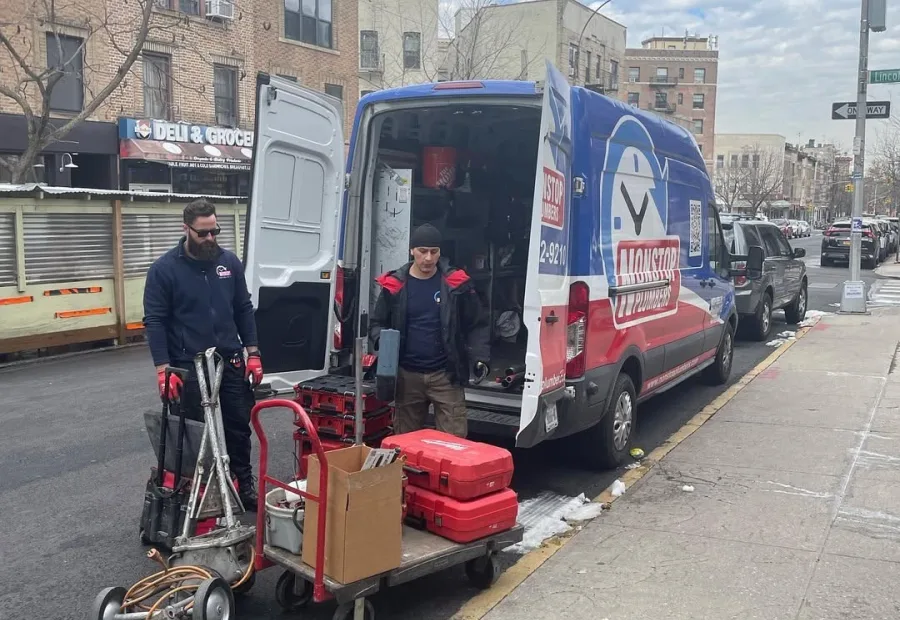
Nonstop Plumbers handles gas leaks as emergency work for homes, apartments, restaurants, and buildings in Manhattan, Brooklyn, and Queens, and across the rest of the city. We do not ask you to stay inside and hunt for the source. This guide covers the warning signs, the official leave-and-call steps, and when licensed repair starts. Our gas leak detection page is the place to request the visit once the area is safe. It is a different job from tracing a hidden water leak.
What Natural Gas Leak Detection Means in NYC
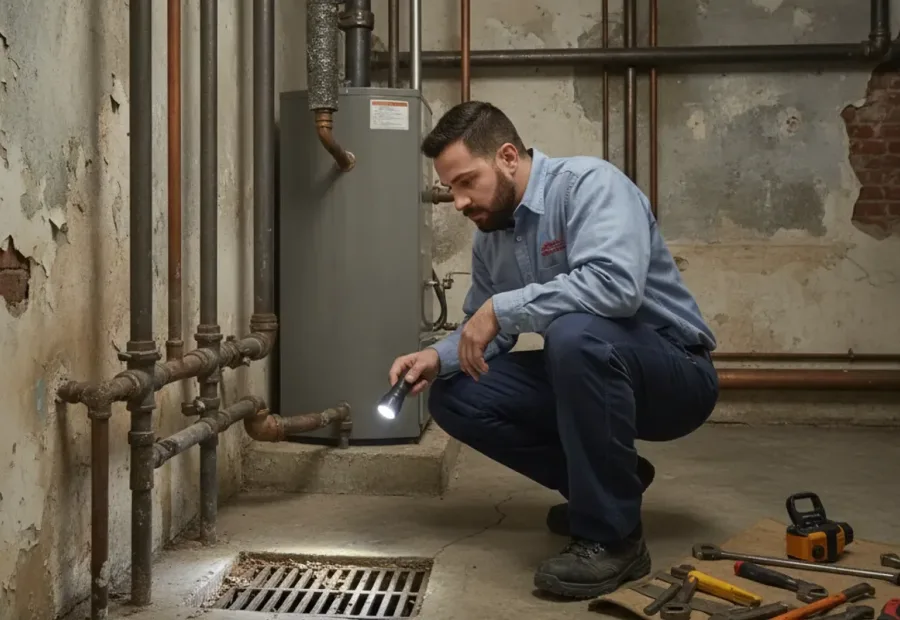
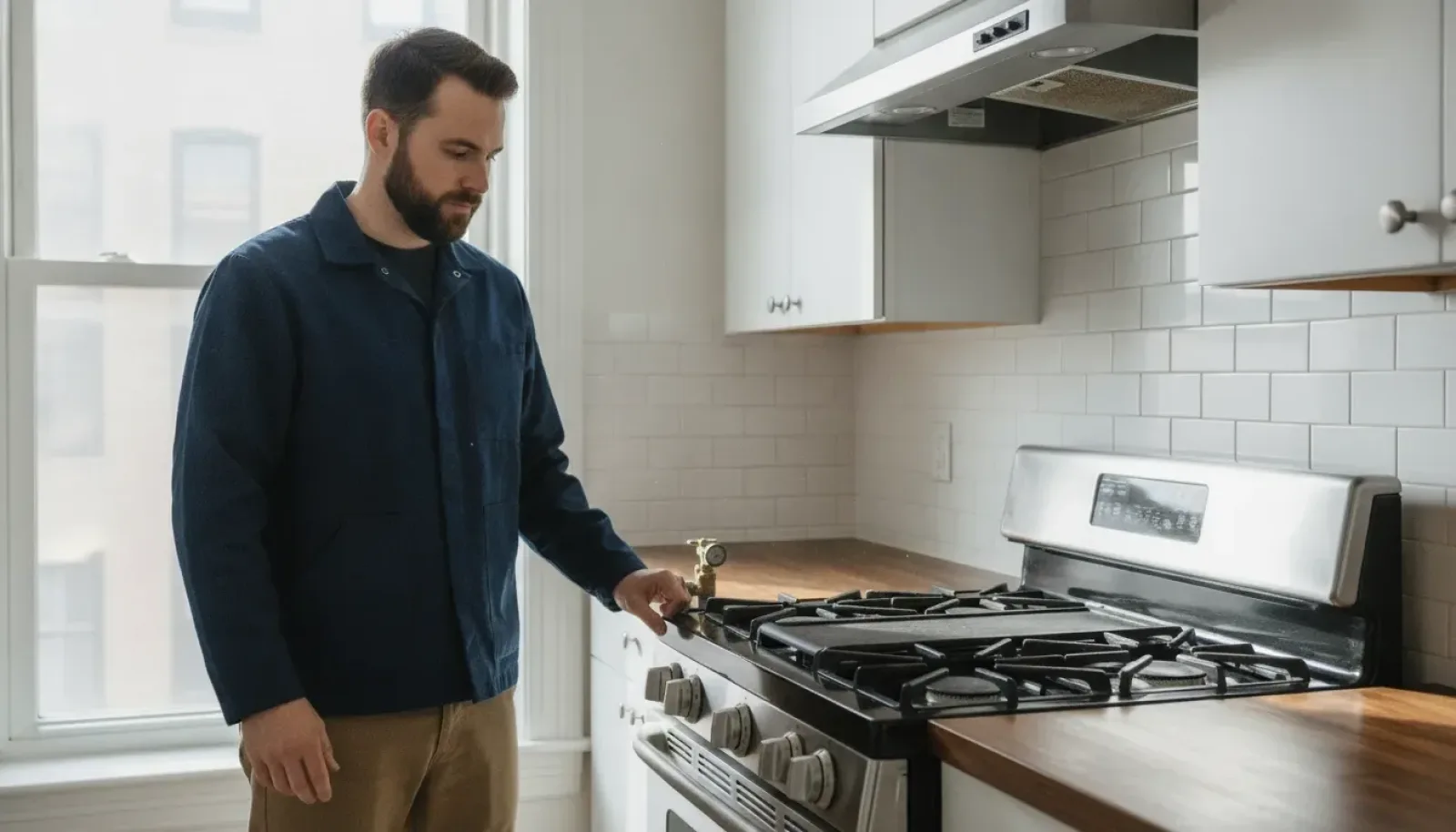
People search for natural gas leak detection when something already feels wrong. A stove pilot will not stay lit. A hallway smells like sulfur. A meter room hisses. Those are reasons to leave, not clues to chase with a flashlight.
The Fire Department says natural gas is used for cooking, heating, and drying clothes, and that a line leak is dangerous because gas can ignite. The rotten-egg smell is added on purpose so a tiny leak is easier to notice. That smell is the signal. It is not an invitation to open a cabinet and look for the fitting.
Con Edison tells customers the same thing in plain language. If you smell gas, leave the area immediately. Once you are safe, call 911 or Con Edison at 1-800-752-6633. National Grid customers in the city call 911 or 1-718-643-4050. Do not light matches, start a car, or use phones, ovens, appliances, or flashlights inside the space where you smell gas. Those steps are on Con Edison's gas leak FAQ.
That is the whole detection step for a resident, super, or manager. Notice the odor or the sound, get out, and report it. Trained utility crews investigate. They do not expect you to confirm the leak first.
Warning Signs That Mean You Should Leave
The NYC Department of Housing Preservation and Development gas-safety guidance lists the main warning signs. You do not need all three to act.
Smell
The usual clue is a strong odor like rotten eggs or sulfur. Mercaptan is the odorant suppliers add because methane itself is colorless and odorless. Do not try to decide whether an odor is "only" a pilot problem. Any gas odor is a reason to leave immediately and report it from outside.
Sound
A roaring, hissing, or whistling near a meter, a riser, or an appliance can mean gas is escaping under pressure. In a quiet basement that sound is easier to hear than in a busy restaurant kitchen. Either way, do not walk the pipe to find the loudest point.
Sight
Outdoors, HPD lists a white cloud, mist, or fog, bubbles in standing water, blowing dust, and plants that look dead for no clear reason. Indoors you may see nothing at all. A lack of mist does not mean the situation is harmless. Odor can fade or be difficult to notice, so do not rely on smell alone; treat unusual sounds, outdoor signs, or a gas-alarm activation seriously.
If someone feels unwell
If anyone feels ill or has trouble breathing, get them outside if you can do so without delaying your exit, and call 911 from a safe distance. Do not go back inside to provide help or investigate the source.
What to Do the Moment You Suspect a Leak
HPD and FDNY publish the same order of operations. Follow it. Do not add steps of your own.
- Open nearby doors and windows if you can do it on the way out. Then leave the building. Do not look for the leak.
- Do not flip light switches. Do not turn appliances on or off. Do not smoke, and do not use matches or lighters.
- Do not use a house phone or a cell phone inside the building. A spark is the risk those rules are written to avoid.
- From a safe distance, call 911. Then call the gas utility for that building: Con Edison at 1-800-752-6633, or National Grid at 1-718-643-4050.
- Keep people away from the entrance until firefighters or the utility say the area is safe. Tell them which floor, which apartment, and when the smell started.
If you are a super or a property manager, your job in those first minutes is headcount and access, not diagnosis. Note which apartments called, whether the odor is in one kitchen or in the public hall, and whether anyone already left. Have keys ready for the meter room and the affected units. Do not send staff back in to "just check the stove."
The utility will assess the situation and make the area safe. If the problem is on private piping or equipment, the utility may shut the gas off until a plumber or qualified technician makes the repair. That shutoff is a safety step. It is not the repair.
Who Handles the Leak, and Who Repairs the Pipe
Three different parties show up in a New York gas call, and they do not do the same work.
- 911 and FDNY: they take the emergency and decide if the building stays empty. They do not repair private gas piping.
- Con Edison or National Grid: they make the area safe and shut the gas off when the leak is on private equipment. They do not rebuild your piping or file a plumbing permit.
- A licensed plumber: we repair or replace private piping after the gas is off and the area is safe. We do not replace a 911 or utility call while people still smell gas inside.
Once 911, FDNY, and the utility have made the area safe, a licensed plumber can work on the private side. That may mean repairing a corroded fitting, cracked line, appliance connector, or piping damaged during construction. HPD warns that changing a gas system, including adding a dryer, without a Department of Buildings filing is illegal and can lead to fines or a loss of service for the building.
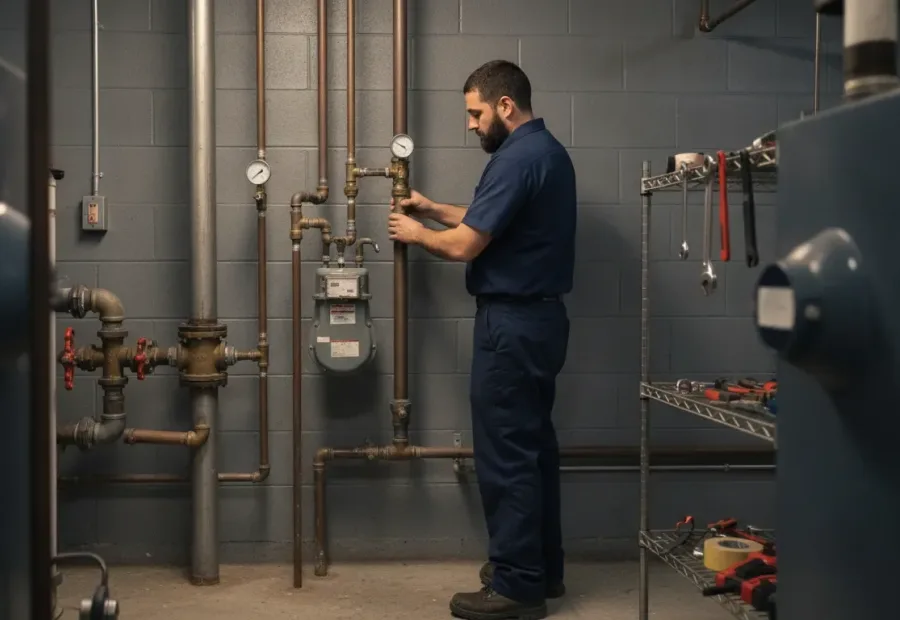
Nonstop Plumbers does that private-side work under Master Plumber Licence #1332. We install, extend, and repair gas piping for apartments, restaurants, mixed-use buildings, and homes. On an active leak, the first goal is to protect the property and restore safe operation only when the utility and the building allow it. Repair timing depends on the scope, access, permits, and utility requirements. We explain the next step once the area is safe and the site is accessible.
Emergency plumbing is available 24 hours a day. Arrival still depends on traffic, access, and how many calls are already out. We do not promise a fixed arrival time. If you still smell gas, stay outside and stay on the 911 and utility call. Use our line when you need the plumber who will repair the private piping after the gas is off.
After the Utility Shuts the Gas Off
A shutoff feels like the emergency is over. For cooking and heat, it is only the middle. Owners have to restore gas for heat, hot water, and cooking once service is disrupted. Tenants can complain to HPD through 311 if that restoration drags on, and rent-regulated tenants may have separate rights through the state.
What you can usefully prepare, from outside or from a unit the fire department has cleared:
- The utility shutoff tag or any written notice, plus the time they arrived.
- Which apartments or commercial spaces lost gas, and whether the meter room is shared.
- Access notes: keys, super contact, occupied units, and any restaurant equipment that was in service.
- Recent work. A renovation, a new stove, or a dryer install is useful history. It is not something to inspect yourself.
We quote gas repair from the site, not from a flat menu. Line length, access through finished walls or cellar piping, testing, and whether the job is one fitting or a longer reroute all change the price. Building-plan hourly rates are not a gas-job price. Gas work sits outside those plans unless a written agreement says otherwise.
Owners in Manhattan high-rises should expect a short shutdown window and a super who controls the riser. Brooklyn brownstones and mixed-use buildings often hide piping behind finished ceilings. Queens and the other boroughs raise the same access questions: who can open the cellar, and who tells the commercial tenant the kitchen stays closed. We plan the visit around that, not around a guess from the sidewalk.
What This Is Not
A few nearby problems get mixed up with a gas smell. Treating them as the same job wastes the first hour.
Hidden water leaks show up as stains, soft drywall, a higher water bill, or the sound of running water with no fixture on. People use the word leak for both, but the work is not the same. Our leak detection page is about water in supply lines, drains, and connected equipment. It is not a gas investigation. If the clue is odor, follow the gas steps above. If the clue is water, that water page is the right next read after you have stopped the flow you can safely reach.
Local Law 152 is a periodic gas-piping inspection for buildings on that cycle. It is not the response to an odor tonight. If your building is due, the Local Law 152 gas piping inspections page explains that separate scope. Do not wait for an inspection appointment when people can smell gas now.
A planned gas line is different again. New equipment, a longer pipe run, or a repair after the utility has already shut the gas off belongs on the gas line installation and repair page. Use it when the building is safe and you need the piping work scoped. Use 911 when the building is not safe.
Detectors are a building-owner duty under city rules for many residences, not a tool you buy and wave around during a smell. If an alarm sounds, treat it like the odor: leave, then call 911. Do not pull the alarm off the wall to read the model number while you are still inside.
How We Take the Call
When the utility has shut the gas off, or the fire department has cleared you to arrange a repair, call (212) 567-2000. Say which borough you are in, whether gas is already off, and who can let us into the meter room.
If you are calling while people are still inside and the odor is strong, hang up and use 911 from outside. Our dispatch line is for the plumbing repair, not a substitute for the Fire Department or the utility.
For a non-urgent question, such as a future appliance line when nobody smells gas, the contact form is the better path. That form asks for an estimate. It does not book a confirmed appointment, and it is the wrong place for an active leak.
Frequently Asked Questions
What should I do if I smell gas in my apartment?
Leave the building. Do not hunt for the source, flip switches, or use a phone indoors. From outside, call 911, then call Con Edison at 1-800-752-6633 or National Grid at 1-718-643-4050, depending on which utility serves the building.
Why does a gas leak smell like rotten eggs?
Natural gas has no scent of its own. Suppliers add an odorant, often described as mercaptan, so a leak smells like rotten eggs or sulfur. FDNY and NYC311 both tell residents to treat that smell as a reason to leave and call 911.
Will a plumber find the leak while I wait inside?
No. Con Edison and the Fire Department want you out before anyone investigates. Utility crews make the area safe and shut the gas off if the problem is on private piping. A plumber repairs that private piping after the shutoff, not while the apartment is still full of odor.
Who do I call in Brooklyn or Queens?
Call 911 first from a safe distance, anywhere in the city. Then call the utility printed on the building's gas notice. Nonstop Plumbers can take the repair call at (212) 567-2000 once the gas is off or the fire department has cleared the repair. We work in Brooklyn, Queens, and Manhattan as priority areas, and we also serve the rest of the city.
Can I add a gas dryer or stove without a permit?
No. HPD says unfiled changes to a gas system are illegal and can shut gas off for the whole building. Ask for a licensed scope and a Department of Buildings filing before anyone extends a line or sets new equipment.