

Local Law 152 Gas Piping Inspections in NYC
Inspect gas piping systems on the Local Law 152 cycle and document findings clearly.
Local Law 152 Gas Piping Inspections in NYC starts with site conditions, access, and the cleanest code-aware path for the property.
We handle local law 152 gas piping inspections for multifamily buildings, mixed-use properties, and other structures subject to the LL152 inspection cycle across Manhattan, Brooklyn, Queens, the Bronx, and Staten Island.
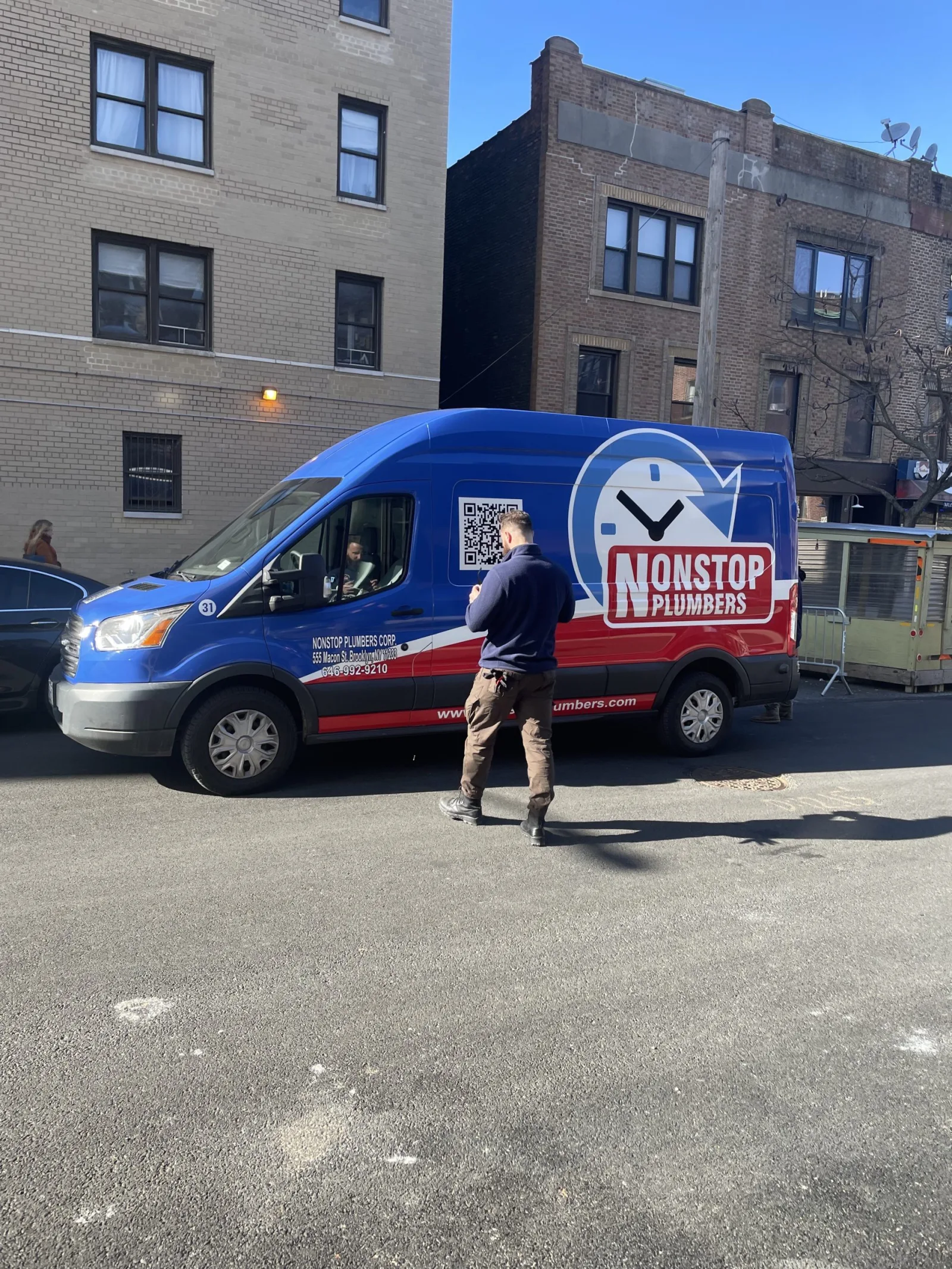
What to Know About Local Law 152 Gas Piping Inspections
Local Law 152 Gas Piping Inspections in NYC means diagnosing the actual condition first, matching the cleanest licensed scope to the property, and finishing the work with practical next steps instead of guesswork.
Local Law 152 Gas Piping Inspections in NYC starts with clear diagnosis, practical scope, and work that fits the building, access, and code path.
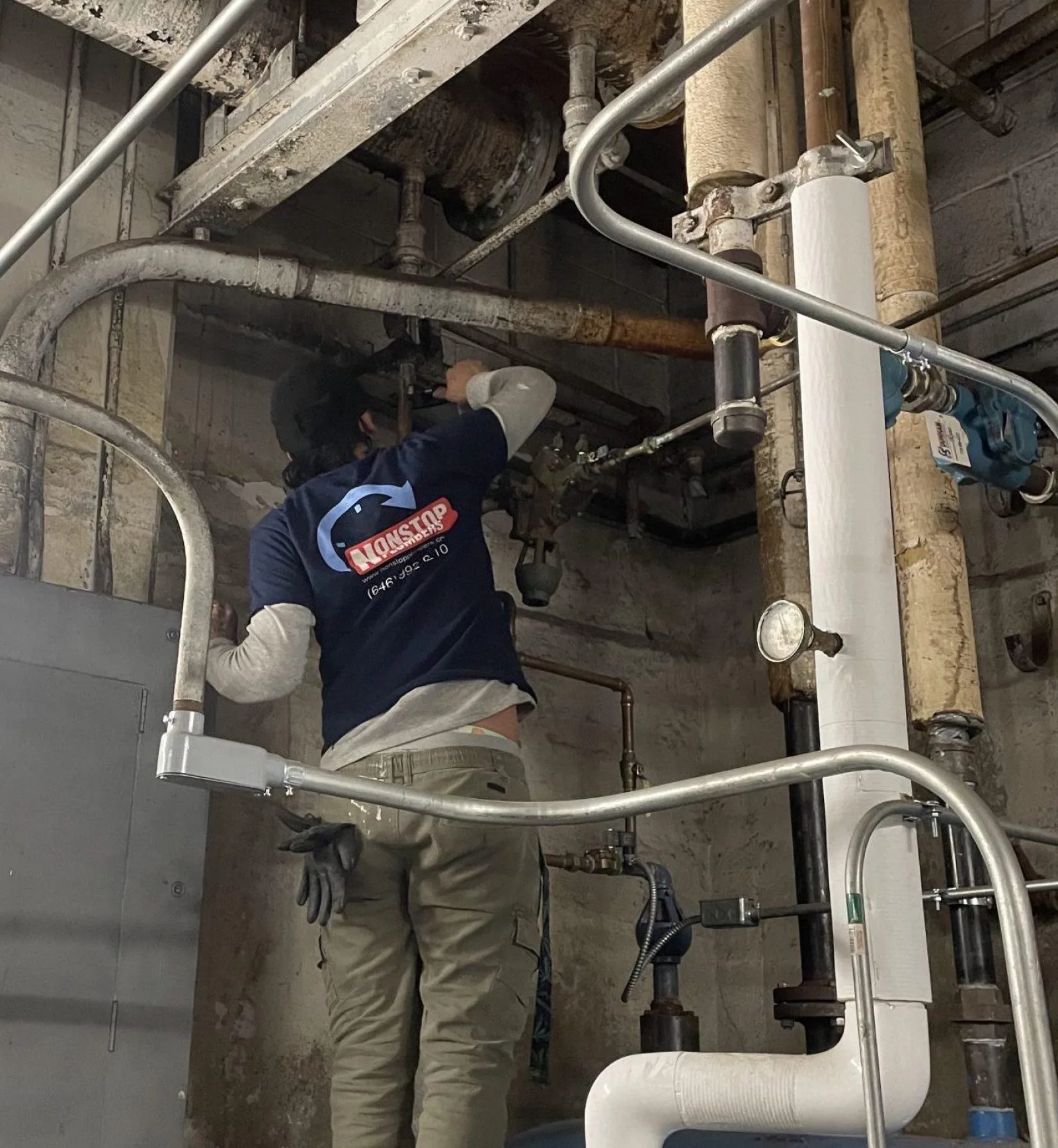
Local Law 152 Gas Piping Inspections NYC work is about completing Local Law 152 gas piping inspections so the building understands the current condition of exposed piping and can respond quickly if deficiencies or unsafe conditions are identified. In New York City, LL152 is a recurring legal obligation in NYC, and the real value is translating a code-driven inspection window into practical field findings and a workable correction plan if the system needs attention. That is especially important in multifamily buildings, mixed-use properties, and other structures subject to the LL152 inspection cycle, where stacked systems, occupied spaces, and access constraints can turn a small issue into a building-wide problem if the scope is delayed or guessed at.
We support Local Law 152 inspections in Manhattan, Brooklyn, Queens, the Bronx, and Staten Island, with scheduling shaped by community-district timing, building access, and the condition of the exposed gas piping itself. When the scope involves permitted work, it is coordinated under NYC Master Plumber License #1332 so the field work, filings, and inspections stay aligned. We focus on clear diagnosis, practical options, and clean workmanship so owners, supers, tenants, and property managers know exactly what is failing, what needs to happen next, and which steps are worth prioritizing first.
The goal is not a generic patch or boilerplate recommendation. We tailor the scope to the condition in front of us and connect the work to Gas Line Installation and Repair and Violation Removal and Compliance Corrections when the symptom points to a larger system issue. That keeps the repair, installation, or compliance plan grounded in how the building actually functions instead of forcing you into unnecessary work or repeat disruption.
Planning & Execution
What Proper Local Law 152 Gas Piping Inspections Should Include
Local Law 152 Gas Piping Inspections can get expensive when the first visit ignores the actual failure, access constraints, or the filing path tied to the work.
We build the scope around LL152 is a recurring legal obligation in NYC, and the real value is translating a code-driven inspection window into practical field findings and a workable correction plan if the system needs attention. so the repair, installation, or compliance plan makes sense for the property instead of turning into repeat disruption.
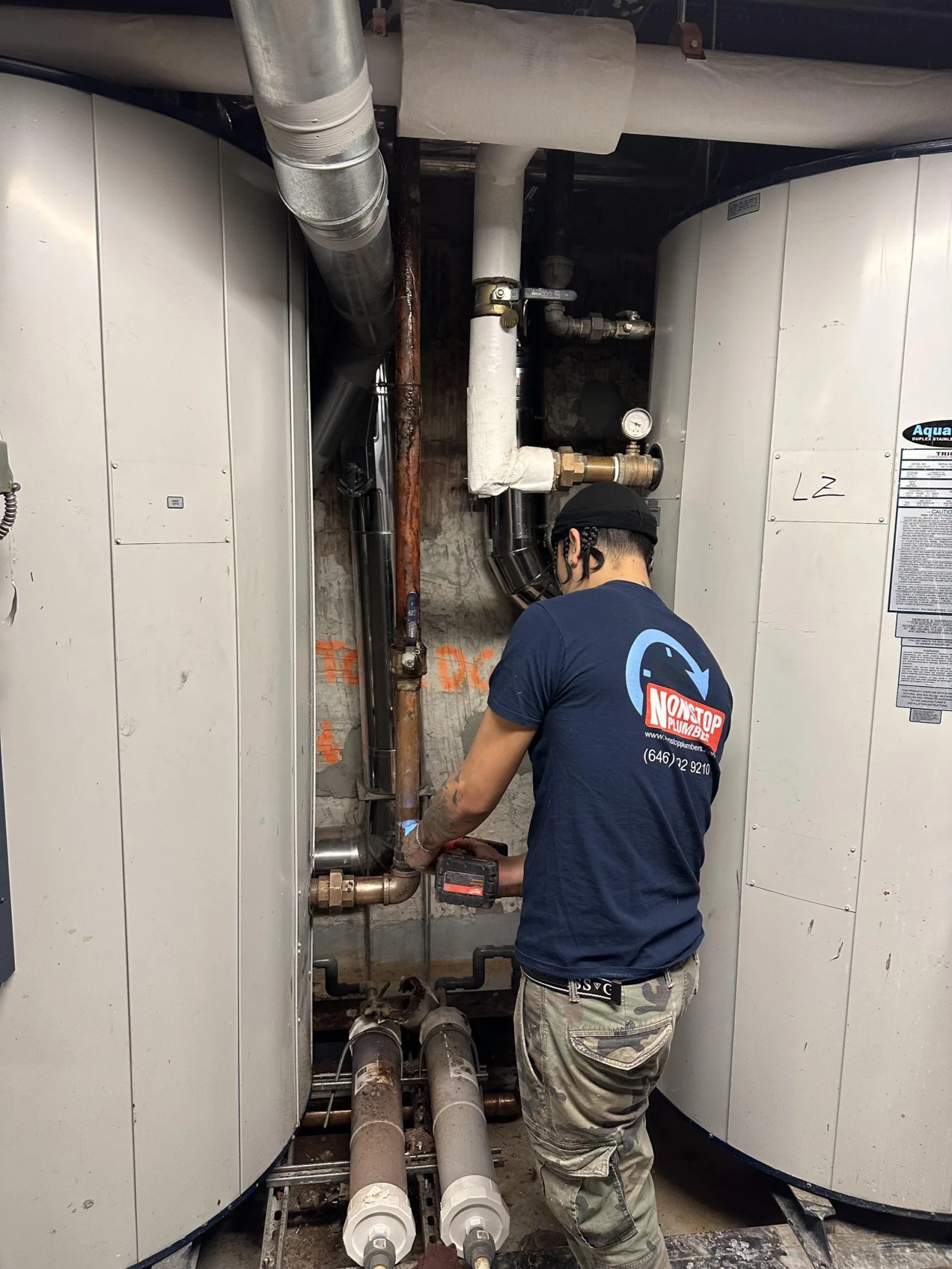
What Is Included in Local Law 152 Gas Piping Inspections
Typical scope items we handle during local law 152 gas piping inspections in NYC, adjusted to access, material condition, and the final code path.
- LL152 inspection planning
- Field review of exposed gas piping
- Documentation of findings and next steps
- Support for corrective work when needed
How We Handle Local Law 152 Gas Piping Inspections
Local Law 152 Gas Piping Inspections work is sequenced around access, shutdown windows, tenant impact, and the real condition on site.
We start with confirming the building falls within the current inspection cycle, reviewing accessible piping conditions, and clarifying what documentation the owner needs once the field review is complete. Before we touch the system, we confirm access, note surrounding finishes or tenant impacts, and explain the likely scope so there is a shared plan for the visit.
Once the path is confirmed, we perform the inspection, record the condition of the exposed gas piping, and separate routine findings from conditions that need prompt corrective action or utility-facing response. The exact sequence depends on the building and the urgency, but the work always stays tied to the actual condition rather than a canned package.
Before closeout, we explain the report, outline any corrective work that should be prioritized, and help the owner understand what portion of the path is compliance paperwork versus physical gas piping repair. If permits, additional trades, or follow-up inspections are needed, we flag those items immediately so the property is left with a practical next-step plan instead of unanswered punch-list items.
When to Call
Signs You May Need Local Law 152 Gas Piping Inspections
If local law 152 gas piping inspections keeps returning, affects multiple fixtures, or starts interfering with normal building use, it is usually time for a licensed assessment.
Early action protects finishes, reduces downtime, and prevents a manageable plumbing problem from turning into a broader building issue.
- Community district inspection window is due
- Owner needs clear LL152 documentation
- Visible gas piping condition is questionable
- Building wants to avoid deadline-driven scrambling
FAQs About Local Law 152 Gas Piping Inspections in NYC
Questions we hear about local law 152 gas piping inspections for apartments, brownstones, mixed-use buildings, and commercial properties across Manhattan, Brooklyn, Queens, the Bronx, and Staten Island.
How much does Local Law 152 Gas Piping Inspections cost in NYC?
The cost of local law 152 gas piping inspections in NYC depends on building size, access logistics, how many areas must be reviewed, and whether the inspection uncovers conditions that require a separate corrective scope afterward. Access through finished walls, cellar spaces, shafts, rooftops, sidewalk vaults, or occupied apartments can change labor and material needs quickly.
Emergency timing, permit coordination, specialty equipment, testing requirements, and the condition of adjacent piping or devices can also affect price. We quote from the actual site condition so you understand the scope before work starts.
How long does local law 152 gas piping inspections take?
The timeline depends on site access, the complexity of the building layout, and whether the inspection is a straightforward review or the starting point for additional gas piping correction. Many calls are completed the same day once access is available, but larger scopes stretch when specialty materials, shutdown windows, permitting, or coordinated inspections are part of the job.
We explain what can happen on the first visit, what may require a return trip, and how we sequence the work to keep downtime, mess, and disruption as controlled as possible.
Do you offer emergency local law 152 gas piping inspections?
Yes, when local law 152 gas piping inspections creates an urgent outage, active leak, failed inspection deadline, or safety concern, we can prioritize the response and stabilization work. The first goal is to protect the property, isolate the problem, and restore safe operation as quickly as the building allows.
After the immediate issue is controlled, we explain what permanent repair, replacement, filing, or follow-up testing is still needed so the job does not stop at a temporary fix.
Does local law 152 gas piping inspections require a permit in NYC?
The LL152 inspection itself is a compliance filing requirement, not a construction permit. If the inspection identifies a condition that requires gas piping repair or alteration, that corrective work can follow its own licensed permit path in NYC. We keep the inspection scope and the repair scope separate so the owner knows exactly what each stage requires.
We confirm the filing path before work starts, explain whether the scope is diagnostic, maintenance, or construction, and handle the licensed coordination required when DOB, DEP, or FDNY approvals are part of the job.
What is the difference between a Local Law 152 inspection and a gas line repair?
A Local Law 152 inspection evaluates the condition of exposed gas piping and satisfies a recurring compliance obligation. Gas line repair is the physical corrective work needed when the inspection or another event shows that part of the system is damaged, leaking, or no longer acceptable to leave in service.
The right choice comes down to condition, repeat failure history, access, and whether the property needs a short-term fix, a capital improvement, or a compliance-driven correction.
Do you provide local law 152 gas piping inspections in Brooklyn?
Yes. We provide local law 152 gas piping inspections in Manhattan, Brooklyn, Queens, the Bronx, and Staten Island for apartments, brownstones, co-ops, mixed-use buildings, commercial spaces, and detached homes.
Scheduling and scope change by borough because building access, parking, curb cuts, sidewalk work, tenant coordination, and agency inspections do not look the same everywhere, but the coverage area is citywide.
Need Local Law 152 Gas Piping Inspections in NYC?
Call now to discuss local law 152 gas piping inspections, scheduling, and the cleanest next step for your building, business, or home.
