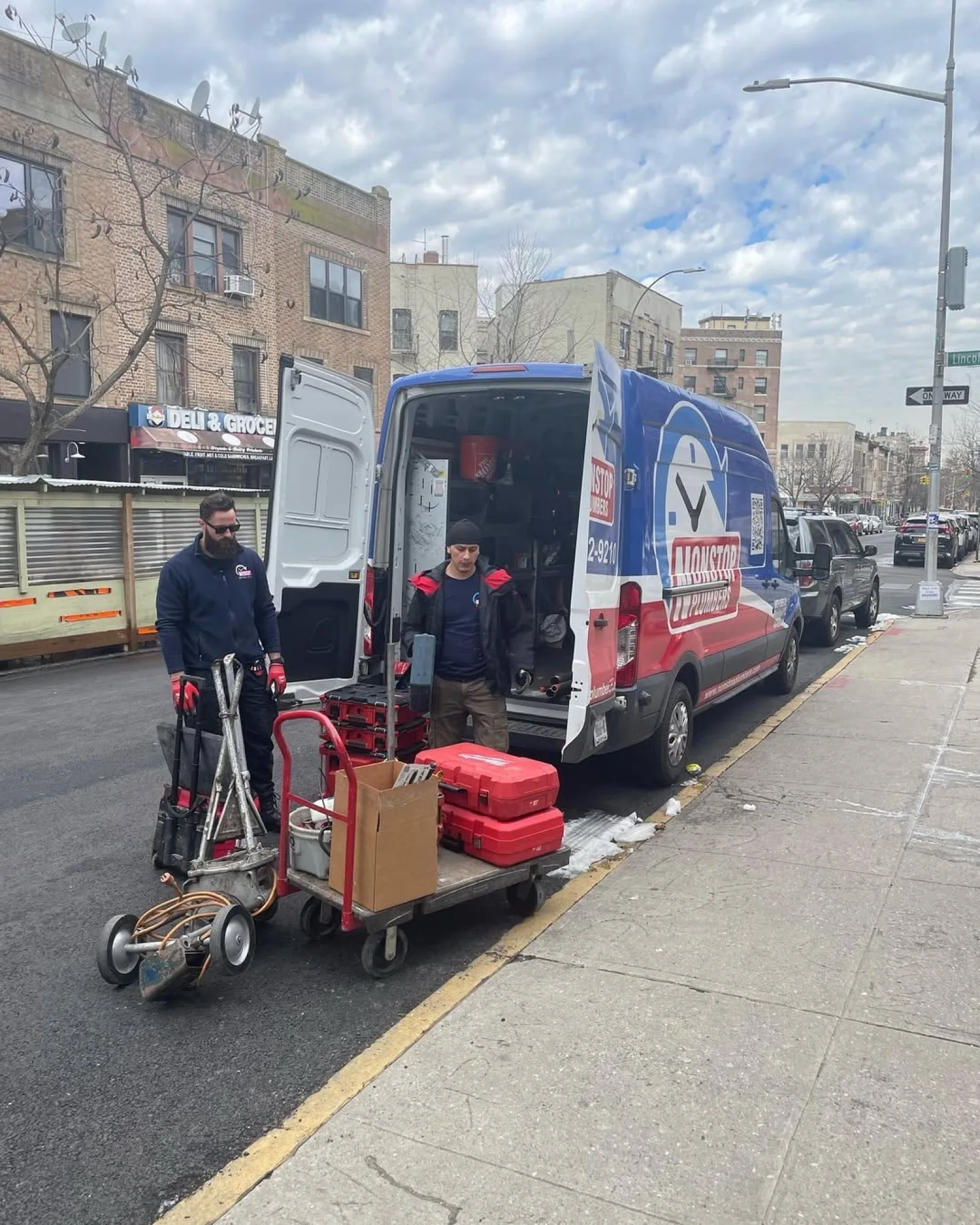
The first priority in a plumbing leak is control, not guesswork. Shut down the affected fixture or branch if it can be isolated safely, protect finished surfaces and electrical risk points, and document where the water is showing up before walls, ceilings, and adjacent units complicate the diagnosis.
In apartment buildings, that means thinking beyond the room where the leak appears. Water often travels from higher floors, shared risers, or concealed branch lines, so supers and managers should note which units are affected, when the leak began, and whether the condition changes when fixtures are used elsewhere in the stack.
Once the immediate risk is contained, the next job is coordination. Tenants need a clear update, access needs to be arranged, and the plumbing team needs enough context to arrive prepared instead of burning time on basic fact-finding. Photos, unit numbers, access restrictions, and whether the leak has already been isolated will materially improve the first visit.
A good response plan also separates emergency stabilization from permanent repair. Some calls end with a clean same-day fix. Others need opening walls, replacing concealed piping, scheduling a building shutdown, or coordinating follow-up restoration. The value is knowing which path you are on quickly so the property does not lose time to avoidable repeat visits.