Does homeowners insurance cover plumbing repairs? In many cases, a policy may help with certain sudden, accidental water damage, but it does not automatically pay to repair every pipe, fixture, or cause of a leak. The answer depends on what happened, what was damaged, and the wording of your policy. For NYC homeowners, knowing what to check can help you act quickly without assuming that insurance will cover the plumbing repair itself.
What does homeowners insurance usually evaluate?
A homeowners policy is a contract with specific coverage, limits, exclusions, and duties after a loss. The insurer generally needs to understand both the cause of the water and the resulting damage. Those are related questions, but they are not necessarily treated the same way.
For example, a sudden pipe failure might damage a cabinet, flooring, or nearby wall. A policy could treat the resulting property damage differently from the cost of replacing the failed pipe. A slow leak that has continued over time may raise different questions from a sudden event. These are examples of issues to ask about, not a promise that a particular claim will be accepted.
Do not rely on a general online rule to decide whether your specific loss is covered. Read your policy and ask your insurer or claims representative to explain the relevant language. If you rent or live in a co-op or condominium, the ownerâs, associationâs, or buildingâs coverage may also affect which party handles particular areas or components.
Is the plumbing repair covered, or only the water damage?
One common source of confusion is the difference between fixing the failed plumbing and repairing the damage caused by water. A homeowner may need to ask about both:
- The source: Is the cost to access and repair or replace the failed pipe, valve, appliance connection, or fixture covered?
- The resulting damage: How does the policy treat affected walls, floors, cabinets, belongings, or other parts of the home?
- Access and restoration: Are opening a wall, drying, cleanup, and restoring finishes handled under the policy, and are there limits or conditions?
- Deductibles and limits: What deductible applies, and are there coverage limits that matter for this kind of loss?
The policy may distinguish among these items, and the details vary. Ask the insurer to identify the policy provision behind its answer. Keep notes about who you spoke with, when you called, and what documents or photos they requested.
How do sudden leaks and long-term leaks differ?
A sudden event, such as a pipe that breaks unexpectedly, can lead to a different coverage review than a gradual leak or recurring moisture problem. Insurers may ask when the problem began, whether it was visible, and what steps were taken once it was discovered. They will apply the wording and conditions in the individual policy.
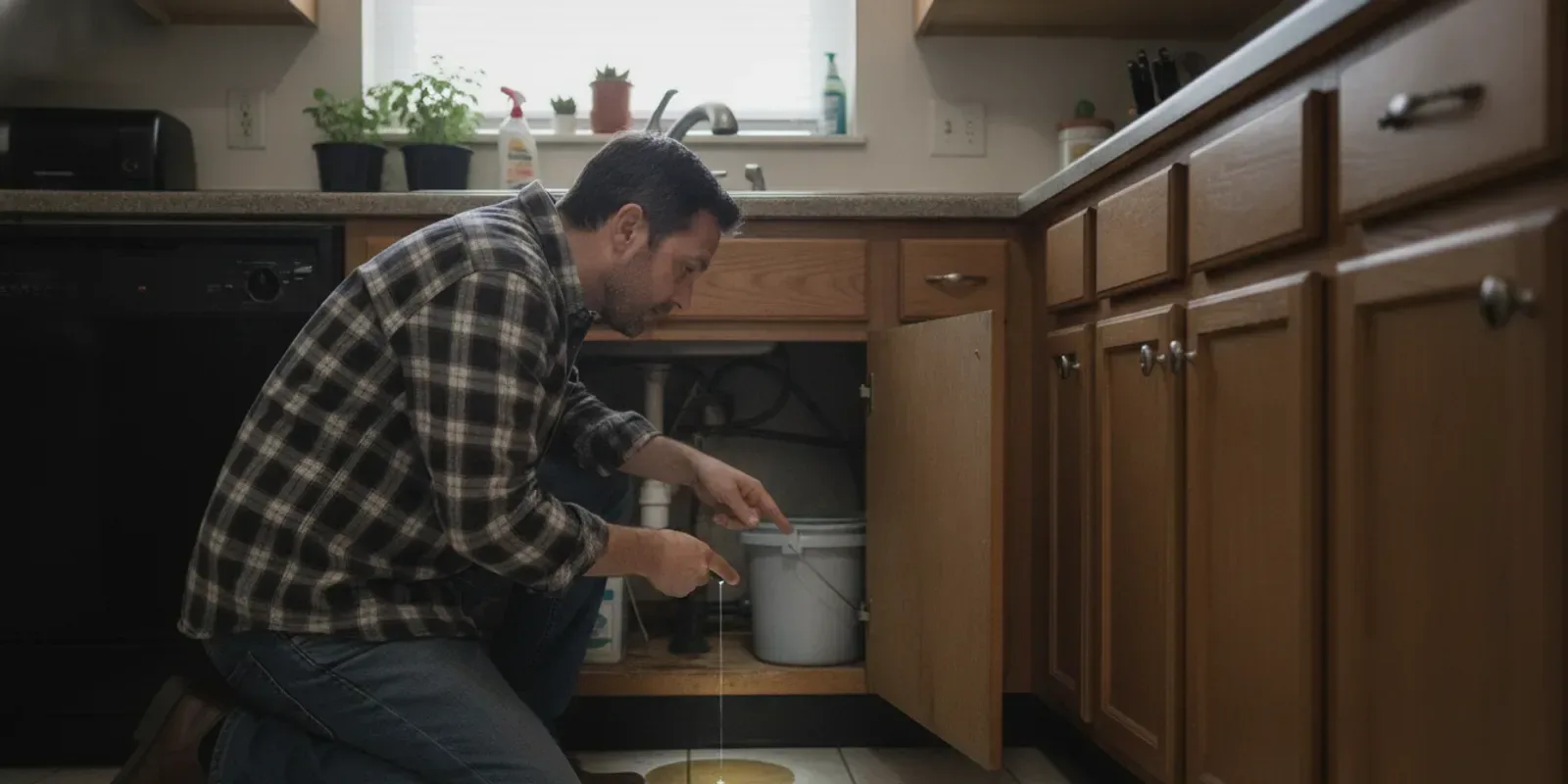
That is one reason to respond to a leak when you notice it. A stain that grows, recurring dampness, a musty area, or water under a sink deserves investigation even if the source is not obvious. Waiting can allow damage to spread and can make it harder to determine when the problem started. If the source is hidden, do not guess at the cause or open walls without first considering safety and any instructions from your insurer or building manager.
For practical warning signs, see this guide to signs of a hidden water leak behind a wall. It can help you organize observations, but it cannot determine insurance coverage or substitute for an inspection.
Does insurance cover a sewer or drain backup?
Sewer and drain backups deserve a separate check. A New York homeowners insurance guide notes that sewer and drain backup coverage is excluded from standard policies but may be added through an endorsement: Homeowners Insurance New York Essential Guide. That is a reason to review your own declarations and endorsements; it is not a statement that every policy has the same terms.
Look for language about sewer backup, drain backup, water or sump overflow, and any optional endorsements. Ask whether the policy covers damage to the home, personal property, cleanup, or some combination, and what sublimits or deductibles apply. A backupâs cause and point of entry may matter to the insurerâs review.
If wastewater is backing up into a home, treat the situation as a plumbing and sanitation concern as well as a possible insurance claim. Avoid contact with contaminated water, keep people and pets away from affected areas, and contact the building manager where applicable. You can review the companyâs overview of how a clogged drain differs from a sewer backup to help describe what you are seeing.
What should you do first after discovering water damage?
Focus on safety, limiting additional damage, and clear records. Follow your insurerâs instructions and your buildingâs procedures. If water is near electrical equipment, avoid the area and contact the appropriate emergency services or building personnel rather than approaching it.
- Stop or limit the water if it is safe. If you know how to shut off the affected fixture or branch safely, do so. If the source is unclear or the valve is stuck, do not force it; get help.
- Notify the right people. Contact your insurer or claims line, and tell your superintendent, property manager, or co-op or condominium contact if shared systems or other units may be affected.
- Document what you find. Take dated photos or video of the source if visible, the affected areas, and damaged belongings. Note when you first noticed the problem and what actions you took.
- Keep records. Save claim numbers, messages, estimates, receipts, and names of people you spoke with. Do not discard damaged items or begin non-emergency permanent repairs before checking whether the insurer needs to inspect them.
- Ask about the next steps. Confirm whether an adjuster or other inspection is needed, what temporary protective work is permitted, and how the insurer wants estimates or invoices submitted.
These steps are general preparation, not legal or insurance advice. In an active leak, flooding, backup, or loss of water, do not delay a needed plumbing response while trying to resolve a coverage question. Tell the responding professional what you know and keep the insurer informed.
What questions should you ask your insurer?
Clear, specific questions can help you understand the process without assuming the answer. Ask your insurer or claims representative:
- Which policy section applies to this event, and what cause of loss is being considered?
- Does the policy distinguish the plumbing repair from damage to the home or belongings?
- Is there a sewer or drain backup endorsement, and does it apply to the event I reported?
- What deductible, coverage limits, or sublimits may apply?
- Should I wait for an inspection before removing materials or arranging permanent repairs?
- What documentation, estimates, or invoices should I submit, and by when?
- Does the insurer need to communicate with my building, landlord, or association?
Ask for explanations in writing when possible. If an answer is unclear, request the policy wording or endorsement that applies. Coverage decisions belong to the insurer, while a plumber can inspect the plumbing conditions and explain the work that may be needed.
How should NYC residents coordinate with a building?
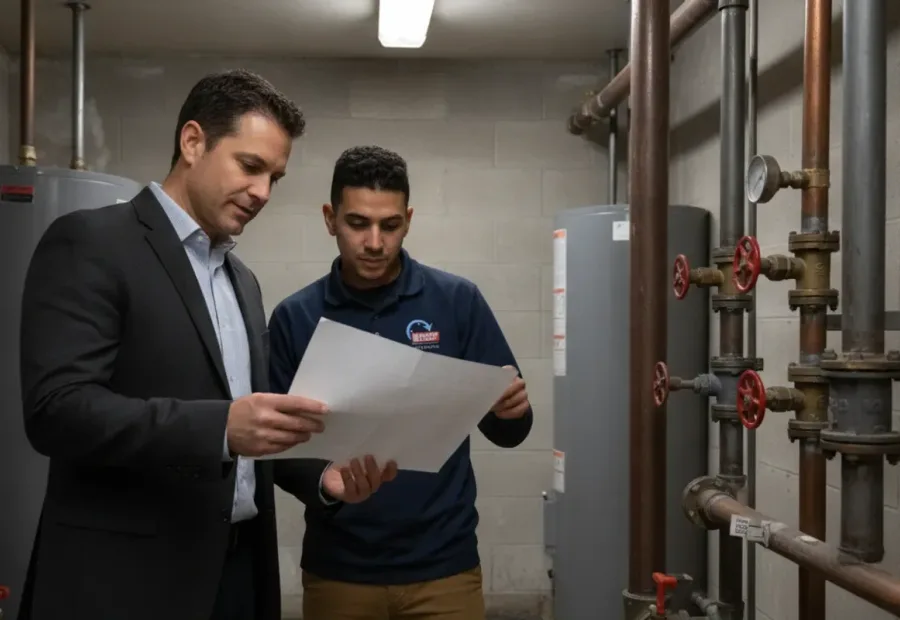
In an apartment, co-op, condominium, or multifamily building, water can cross unit boundaries or involve shared piping. Notify the superintendent or property manager promptly if a leak may affect another unit, a common area, or a building system. Ask who is authorized to arrange access and repairs, and whether the building has a preferred procedure for documenting the incident. A resident should not assume that a personal policy covers building-owned pipes or that the buildingâs policy covers personal belongings.
For a co-op or condo, the governing documents and insurance arrangements may affect responsibility for different parts of the property. The insurer, association or board, and building management can clarify their respective processes. Keep your own dated photos and messages even when management is coordinating work. Record the location of the damage, when you notified the building, and whether other units were affected. If you are a tenant, notify the landlord or managing agent as well as your insurer when appropriate.
Tell the plumber and the building contact about any access restrictions, shutoff procedures, or known work in progress. If a repair requires opening a wall or ceiling, clarify who is authorizing that work and how the area will be documented. Coordinating these details early can reduce confusion about access and records; it does not determine which insurer will pay.
When is plumbing help urgent?
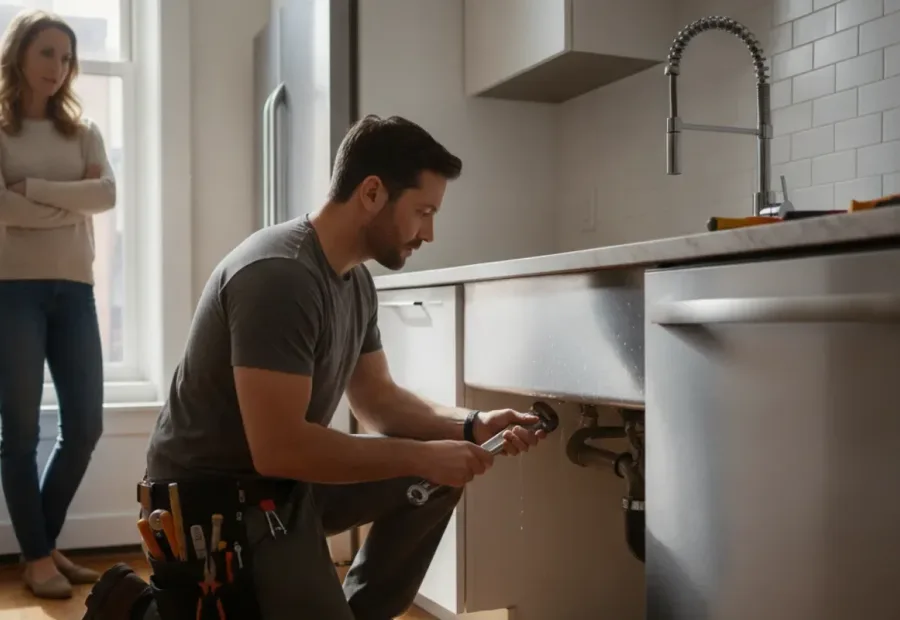
An insurance claim is not a substitute for addressing an active plumbing problem. Call for help promptly when water is actively escaping, a room is flooding, a drain or sewer is backing up, or the home has no water. Do not wait for an adjuster to diagnose the plumbing source if delay could worsen the situation.
Nonstop Plumbers handles emergency and repair plumbing as well as planned plumbing assessments. Arrival timing depends on traffic, access, and current volume, so a specific arrival time cannot be assumed. For NYC plumbing help, call (212) 567-2000. If the issue is not urgent, use the emergency plumbing services information to understand the service path, or submit a request for assessment.
Frequently asked questions
Will homeowners insurance pay to replace an old pipe?
There is no universal answer. The insurer will review the policy and the facts, including the cause and circumstances of the failure. Ask separately about the pipe repair and any resulting damage to the home.
What if a leak was hidden behind a wall?
Report when you first noticed it and what signs you observed, such as a stain, dampness, or a change in the affected area. The insurer will assess the claim under the policy. A plumbing inspection can help identify the source, but it cannot decide coverage.
Is sewer backup coverage automatic?
Do not assume that it is. The cited New York guide describes sewer and drain backup coverage as excluded from standard policies but available by endorsement. Check your own policy and ask your insurer whether you have applicable coverage.
Should I wait for insurance approval before calling a plumber?
For an active leak, flooding, backup, or no-water problem, do not delay necessary steps to address the plumbing issue. Contact your insurer as soon as practical, document the condition, and follow any instructions about inspection and permanent repairs.
Insurance coverage depends on your policy and the facts of the loss, so confirm decisions directly with your insurer. If there is an active plumbing problem in your NYC home, call Nonstop Plumbers at (212) 567-2000 for help assessing the plumbing issue.