If you are asking, should I repair or replace a plumbing fixture, start by identifying the cause of the failure and checking the fixture’s overall condition. A repair can be sensible when one accessible part has failed and the rest is sound. Replacement may be worth considering when problems keep returning, the fixture is damaged, or its connections and performance no longer suit the space.
Call to discuss a plumbing concern
What should you check before deciding?
First, pinpoint what is failing. A dripping faucet, a toilet that continues to run, a loose handle, and water seeping from a supply connection are different problems. Water near a fixture might also come from a drain, pipe, seal, or concealed area rather than the fixture body. Replacing the visible fixture without confirming the source can leave the underlying issue unresolved.
Look for clues without taking apart anything you are not comfortable handling. Note where water appears, whether it happens only during use or continuously, and whether the fixture moves when operated. Check nearby cabinets, flooring, walls, and ceilings for dampness or changes in finish. A photograph can help record what you see, but it may not show a leak behind a wall or below a floor.
If water is actively escaping, limit exposure if you can do so safely. Use an accessible shutoff only if you know how it works, and do not force a stuck valve. Move belongings away and seek an assessment if water continues or the source is uncertain. In an apartment or managed building, notify the responsible building contact promptly, especially if another unit could be affected.
When is repair a practical choice?
Repair is often worth discussing when the fixture is stable, works as intended apart from a specific fault, and the cause can be identified. Depending on the design and what inspection finds, a worn washer, cartridge, seal, or loose component may be replaceable without replacing the entire fixture.
- The problem is limited: One recognizable symptom has appeared, and the fixture otherwise operates normally.
- The fixture is structurally sound: There are no visible cracks, severe corrosion, or damaged mounting points.
- The part can be matched: A model number or component can be identified, so the repair is not based on guesswork.
- The surrounding area appears dry: There is no obvious sign that a continuing leak has damaged a cabinet, floor, or nearby finish.
A repair is not automatically the best option just because the symptom seems small. Ask whether the repair addresses the cause or only a symptom. If the same leak returns, or a different fault follows soon after, consider whether wear, a connection, water conditions, or another underlying issue needs attention. Repeatedly replacing small parts without a clear diagnosis can prolong disruption without resolving the problem.
When should you consider replacement?
Replacement deserves consideration when a fixture is cracked, badly corroded, unstable, or repeatedly failing. It may also be appropriate when the fixture no longer performs well for the household, compatible parts are unavailable, or a repair would leave other known weaknesses in place. Age can be useful context, but age alone does not prove that a fixture must be replaced.
- Recurring failures: Several repairs or repeat leaks may point to broader wear or a cause that has not been corrected.
- Visible deterioration: Cracks, substantial rust, damaged mounting, or persistent seepage merit closer assessment.
- Changed needs: The existing fixture may no longer suit how the household uses the space.
- Parts or fit are uncertain: A discontinued model or unusual connection can make a lasting repair difficult.
Replacement is more than selecting a new faucet, toilet, or other fixture. Existing shutoff valves, supply lines, drains, mounting points, wall openings, and finishes can affect compatibility and the work involved. In an older home or occupied building, the condition of concealed connections may not be clear until the installation is assessed. Ask what is included in the proposed scope and what might require separate work.
How can you compare repair with replacement?
Compare the full scope, not the cost of one repair part with the purchase price of a new fixture. Before choosing, ask what diagnosis is included, whether parts and materials are separate, whether surrounding work may be needed, and what is excluded. The right comparison depends on the actual fixture and site conditions; a symptom alone is not enough to predict a price or outcome.
- What is the confirmed source of the leak or failure?
- Can the fixture be repaired without disturbing sound surrounding work?
- Are the needed parts identifiable and compatible?
- Is there evidence of water damage or a problem behind or below the fixture?
- If replacing it, will the new fixture fit the existing space and connections?
- Does the proposed scope include testing the fixture and checking for leaks after the work?
For a planned decision, write down the symptoms and when they occur. Note whether the issue is constant or intermittent, whether there have been previous repairs, and whether nearby surfaces show damage. Share the fixture’s make or model if known, or provide a clear photo. These details help an assessment start with useful context rather than assumptions.
What changes in an apartment or multifamily building?
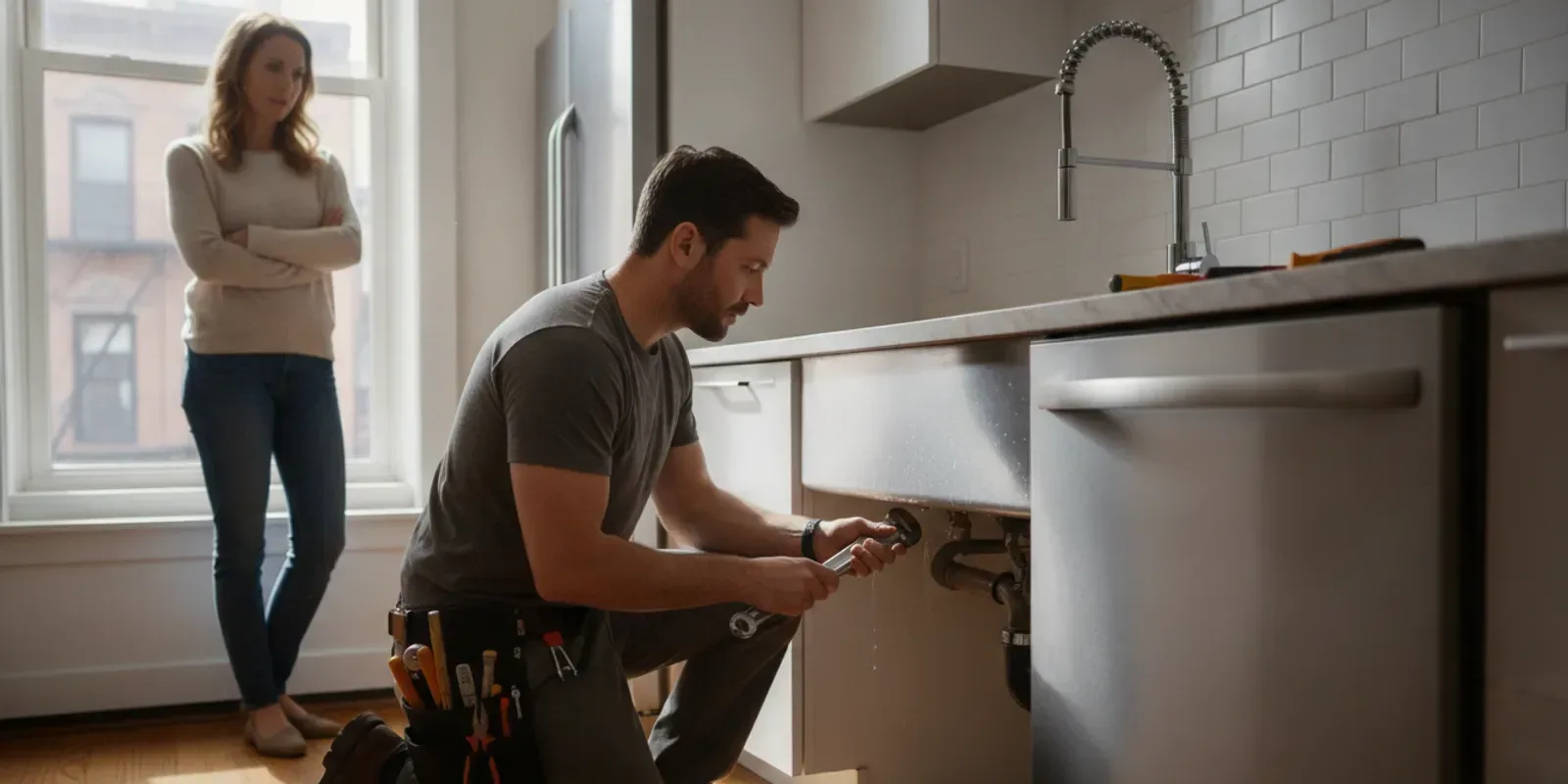
A fixture problem in a New York City apartment may involve building shutoffs, access rules, or water reaching another unit. Contact the building manager or superintendent about an active leak and follow the property’s procedures for arranging access. Do not assume that the fixture is the source if water appears in a wall, ceiling, or shared area; a shared line or concealed space may need investigation.
For owners and property managers, record the unit, fixture, symptoms, visible damage, and any steps taken to limit water. Confirm who can authorize work and whether a building shutdown or access coordination is needed. The repair or replacement scope depends on the property and what inspection reveals. Separating fixture-level work from a possible building-system issue helps set expectations before work begins.
For general information about household water use and conservation, the U.S. Environmental Protection Agency is an authoritative starting point. Water-use guidance does not diagnose a particular leak, so use it as background rather than a substitute for identifying the cause of a fixture failure.
What should you ask before work begins?
Ask for a clear explanation of the observed problem and the recommended next step. If repair and replacement are both reasonable, ask what each option addresses, what parts or surrounding work may be needed, and what uncertainties remain. You can also ask what will be tested after work and how the area will be checked for signs of continued leakage.
Non Stop Plumbers lists plumbing services that include repair and installation. Review the plumbing service options or use the contact page to describe a nonurgent fixture concern. For an active leak, call and explain whether water is still flowing.
Call to discuss repair or replacement
The best choice is the one that addresses the confirmed cause and accounts for the fixture, its connections, and any surrounding damage. When those details are unclear, arrange an assessment before committing to repair or replacement.