Sewer backups in an apartment building can affect multiple units, disrupt daily routines, and create a cleanup problem that grows quickly. The best way to reduce risk is to combine careful drain habits, regular attention to shared plumbing, and a clear response plan. These steps cannot prevent every blockage, but they can help residents and building teams spot trouble earlier and know what to do next.
Review plumbing and sewer service options
What causes sewer backups in apartment buildings?
A sewer backup happens when wastewater cannot flow through a drain or sewer line as intended and reverses into a fixture or floor drain. A blockage may be inside a unit's branch drain, in shared building piping, or farther along the connection to the public sewer. The location matters: one affected fixture may point to a local issue, while several units or low-level drains affected at once can indicate a shared line problem. Only an on-site assessment can establish the cause.
Grease, wipes, and other unsuitable items can contribute to blockages. NYC's Department of Environmental Protection identifies improper disposal of grease, wipes, and other items down toilets and sinks as a common cause of sewer backups in New York City. See the NYC DEP sewer backup guidance for local information.
How can residents reduce what enters the drains?
Clear, consistent drain-use guidance is one of the simplest building-wide prevention measures. Put instructions where residents will see them, such as near shared laundry or waste areas, and include them in move-in information. Remind residents and staff to:
- Keep cooking grease and oils out of sinks. Let them cool, then dispose of them with household waste according to local guidance.
- Use toilets only for human waste and toilet paper. Do not flush wipes, paper towels, hygiene products, or cleaning materials, even if packaging describes an item as flushable.
- Keep food scraps, coffee grounds, and fibrous waste out of kitchen drains and garbage disposals.
- Use drain strainers where appropriate and remove collected debris instead of washing it down the drain.
- Report slow drains, recurring clogs, gurgling, or sewer odors rather than repeatedly relying on chemical drain cleaners.
A single reminder will not control every source of a blockage. Property managers can make the instructions practical by translating them when needed, sharing them with cleaning and maintenance staff, and providing a simple way to report symptoms. Avoid blaming a unit before the plumbing is assessed; a shared line can affect fixtures in more than one location.
What maintenance practices help protect shared plumbing?
Use a repeatable maintenance routine rather than waiting for a backup. The right schedule depends on the building's piping, use, history, and prior findings, so there is no universal interval that fits every property. A superintendent or manager can keep a basic log of observed issues, completed work, and recommendations from plumbing professionals.
- Track recurring symptoms. Record which fixtures or units are affected, when the problem occurs, whether other plumbing was in use, and whether the issue returned after clearing.
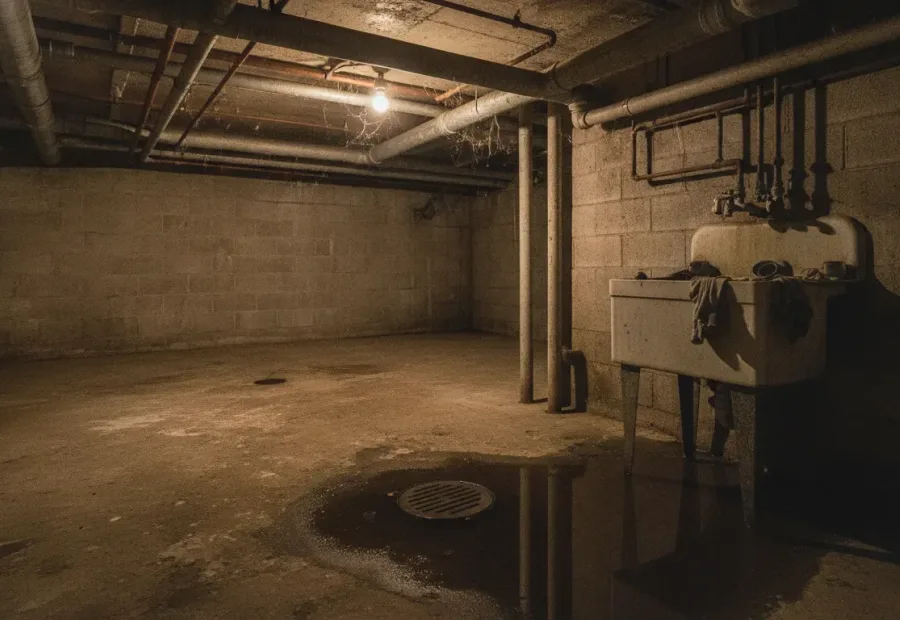
- Review shared-area drains. During routine building rounds, look for standing water, debris, unusual odors, or evidence of overflow around lower-level drains and utility spaces. Do not open or enter unsafe areas.
- Coordinate access. If inspection or cleaning is recommended, arrange access to relevant units and common areas. Tell residents what fixtures may be unavailable and follow the plumber's specific instructions.
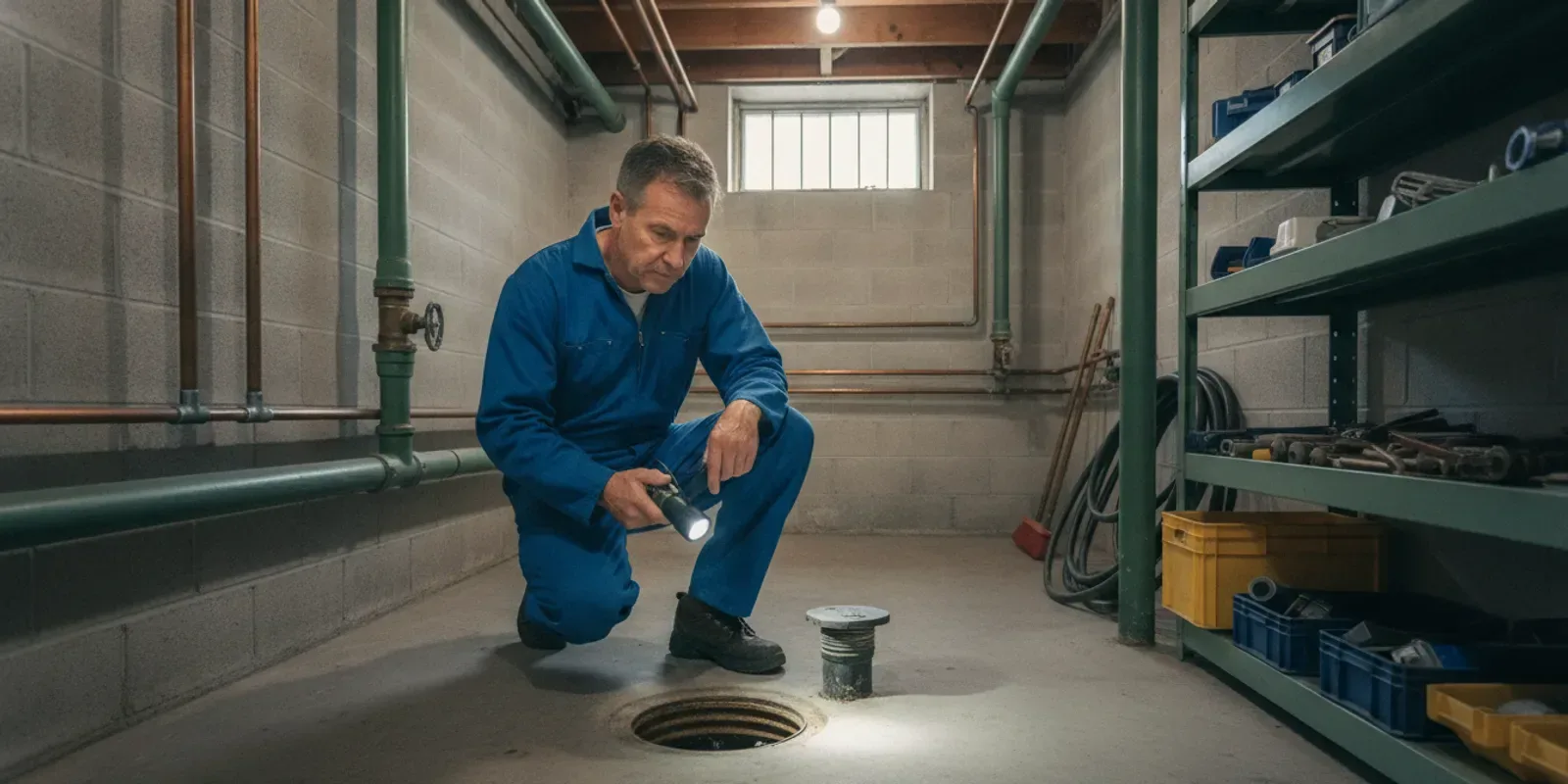
- Ask about the right inspection scope. A qualified plumbing professional can advise whether a visual check, clearing, or further evaluation is appropriate based on the symptoms and system. Do not assume a camera inspection or a particular cleaning method is needed in every building.
- Close the loop. Keep service notes, findings, work completed, and follow-up recommendations together so the next manager or superintendent can recognize recurring patterns.
Good records also help distinguish a one-time fixture clog from repeated problems in a shared drain or sewer line. For planned drain or sewer work, building teams can review Non Stop Plumbers' service information and confirm the appropriate scope during intake.
What warning signs should a building team take seriously?
One slow sink does not always mean the building sewer is blocked. But repeated or clustered symptoms deserve attention, especially in lower-level units and common areas. Watch for:
- More than one fixture draining slowly or backing up, particularly in separate units.
- Gurgling sounds from toilets or drains when another fixture is used.
- Water or wastewater emerging from a floor drain, toilet, or tub.
- A recurring sewer-like odor near drains, especially when it appears alongside slow drainage.
- Repeated clogs in the same location after previous clearing.
Do not wait for a pattern to become conclusive if wastewater is actively entering a unit or common area. Treat active flow as urgent. Avoid touching contaminated water, keep people away from the affected area, and do not attempt to block or push wastewater back into a drain. Call emergency dispatch at (212) 567-2000. The team will need the building address, affected locations, visible symptoms, and an access contact. Routing and arrival depend on conditions, including borough, access, traffic, restrictions, and current emergency volume.
How should managers coordinate a response?
A simple response plan reduces confusion when an incident affects several residents. Identify who receives urgent calls, who can access mechanical or service areas, and how residents should report symptoms. During a suspected shared-line issue:
- Ask affected residents to stop using the fixtures that may be contributing to overflow, if it is safe and practical to do so. Do not direct people to use other fixtures until a professional advises what is appropriate.
- Notify the superintendent or designated building contact and check whether other units or common-area drains show symptoms.
- For active sewage flow or flooding, call emergency dispatch rather than waiting for a nonurgent form or routine appointment.
- Give the plumber clear access to affected fixtures, common areas, and relevant building records. Share when symptoms began and any prior work or recurring history.
- After the immediate issue is addressed, document the findings and ask whether further inspection, repairs, or resident guidance is recommended.
For nonurgent, planned repairs or an assessment without active flooding, use the company's contact page to describe the building and symptoms. Work scope and next steps depend on the property's plumbing and what an inspection finds. Building maintenance arrangements and any excluded work should be confirmed separately; do not assume a plan includes sewer-line repairs or major work.
What should a building backup log include?
A concise log helps property teams communicate clearly and identify repeat events. Record the date and time, reporting unit or area, fixtures affected, whether wastewater was present, actions taken, who was contacted, and any professional findings or recommended follow-up. Keep photographs only when safe and appropriate, and avoid recording unnecessary personal details about residents.
Use the log to guide follow-up, not to diagnose the pipe. If backups recur, symptoms involve multiple units, or prior clearing has not resolved the issue, ask a plumbing professional to assess the likely source and recommend the next step. Applicability, access, repair scope, and any required approvals vary by property.
Frequently asked questions
Can residents prevent every sewer backup?
No. Careful disposal habits can reduce avoidable blockages, but shared piping, external sewer conditions, and other property-specific factors may still lead to backups. Combine resident guidance with maintenance, symptom tracking, and a clear response plan.
Should a building use chemical drain cleaner for a recurring clog?
Do not treat repeated symptoms as a reason to keep applying chemicals. Products may not address the underlying cause and can create handling risks. Follow product safety directions and ask a plumbing professional what approach fits the affected drain and building system.
When is a sewer backup an emergency?
Active wastewater entering a home or common area, significant flooding, or a backup affecting multiple fixtures needs urgent attention. Keep people away from contaminated water and contact emergency dispatch. For a slow drain with no active overflow, arrange planned evaluation and report any recurrence.
Does every apartment building need the same inspection schedule?
No. Building age, pipe materials, use, past issues, and professional findings can affect maintenance needs. Ask for a property-specific recommendation and keep a record of the agreed scope and follow-up.
Request a planned plumbing assessment
Reducing sewer backup risk takes steady habits, practical maintenance, and prompt attention to warning signs; building teams should confirm the right scope for their property with a plumbing professional.