Learning how to prevent frozen pipes in a NYC apartment starts with controlling indoor temperature, protecting vulnerable piping, and making sure someone can respond when winter weather arrives. A short cold snap can affect apartments, basements, pipe chases, and unheated areas differently, so residents and building teams should prepare before temperatures fall.
Review plumbing service options
Why are frozen pipes a concern in NYC apartments?
Water expands as it freezes. When water inside a pipe turns to ice, pressure can build between the ice and a closed faucet or blockage. A pipe may split at a weak connection or section, then release water after the ice begins to thaw. The damage may appear in an apartment, ceiling, wall, basement, or shared utility space.
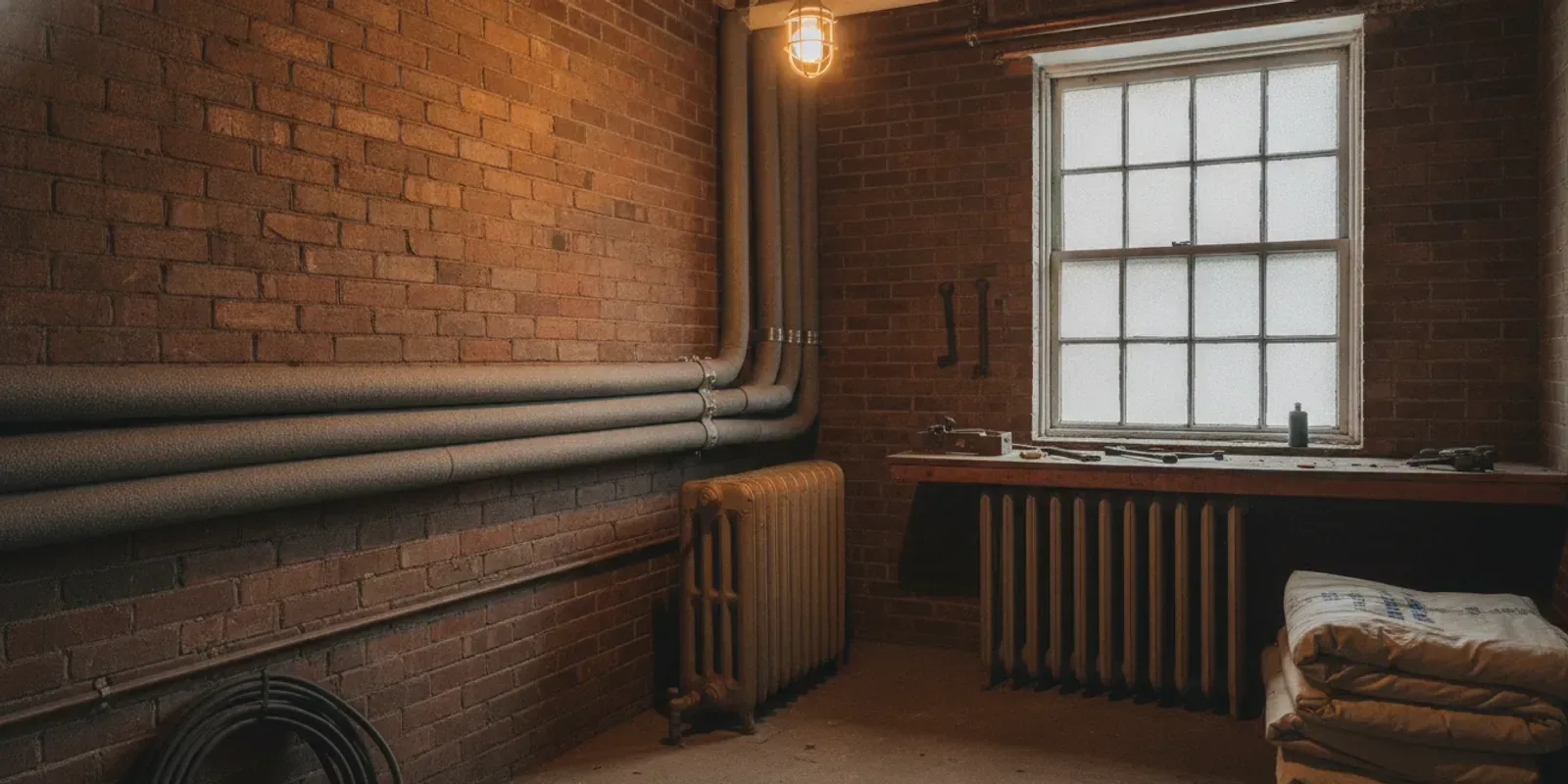
Risk is not limited to apartments with an exterior wall. Pipes can be exposed in cabinets, near windows, in crawl spaces, beside loading areas, in mechanical rooms, or in portions of a building with limited heat. Drafts, open doors, broken windows, and vacant units can also lower temperatures around plumbing.
What should residents do before freezing weather?
Keep the apartment adequately heated
Keep heat on during cold weather, including when leaving for a short trip. Avoid turning off radiators or thermostats in rooms that contain plumbing. Keep interior doors open when practical so warm air can circulate, especially between rooms with different temperatures.
If a radiator is not heating, a thermostat is not working, or a room is unusually cold, report the issue to the landlord, superintendent, or property manager promptly. Do not cover a radiator with furniture, curtains, or storage that blocks heat. Never use an oven or other unsafe appliance as a substitute for building heat.
Protect accessible water lines
Open cabinet doors beneath sinks during severe cold if the plumbing is on an exterior wall. This allows warmer room air to reach the pipes. Close exterior doors and windows firmly, and report drafts or damaged common-area windows. If you can see water piping in a cold utility area, ask the building team whether it has appropriate insulation and whether the space is intended to remain heated.
Insulation can reduce exposure to cold, but it does not correct every underlying problem. The pipe material, location, heat source, ventilation, and building design all matter. The American Red Cross guidance on preventing and thawing frozen pipes discusses pipe insulation and approved heat products as preparation options. Any electrical heat cable or heat tape should be appropriate for the application and installed according to its instructions.
Plan for vacant apartments
A vacant apartment still needs a winter plan. Before a resident leaves, confirm who will check the unit, how often it will be inspected, and how building staff can enter if there is a plumbing problem. Keep heat operating at a safe setting established by the building team. Do not assume that shutting off the apartment's water alone eliminates risk; water may remain in traps, supply lines, risers, or shared systems.
Property managers should keep current contact information for residents, supers, maintenance staff, and emergency plumbing dispatch. The plan should identify shutoff locations and explain who is authorized to close a unit or building valve. A written log of inspections can help the team identify a cold room before a pipe failure occurs.
What should NYC building teams check?
Superintendents, owners, and property managers should walk the building before the coldest weather and look for conditions that increase risk:
- Unheated or lightly heated rooms containing domestic water, sprinkler, or other plumbing.
- Broken windows, open doors, missing seals, or drafts near pipes.
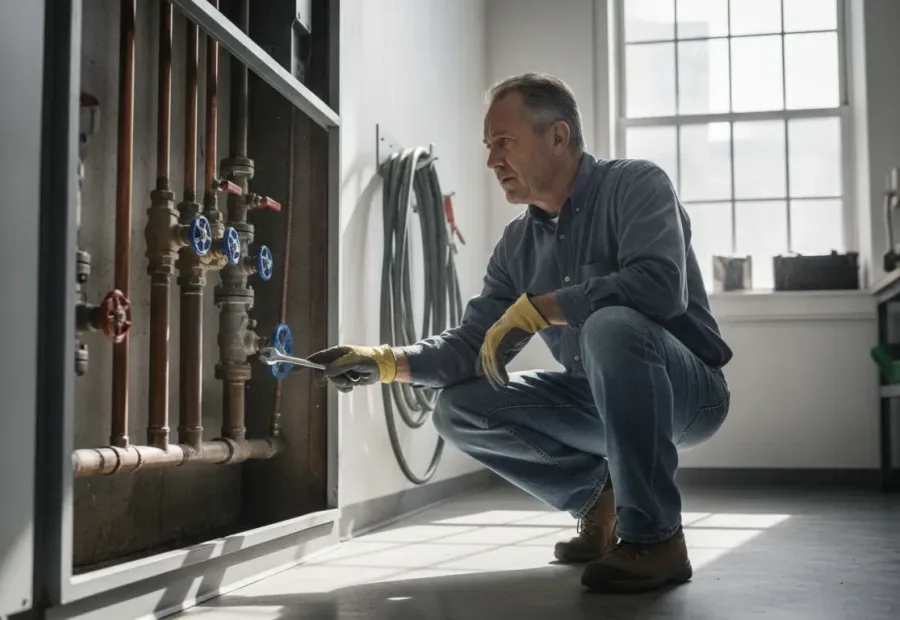
- Exposed piping along exterior walls, in basements, or near service entrances.
- Vacant apartments without a confirmed heat and inspection plan.
- Radiators, boilers, thermostats, or controls that are not working as expected.
- Missing, damaged, or poorly fitted pipe insulation.
- Unclear labels for apartment, branch, and main water shutoffs.
Do not apply a single winter procedure to every property. A high-rise, prewar walk-up, co-op, condo, and mixed-use building may have different risers, access restrictions, heating systems, and responsibilities. Building teams should also keep fire-suppression and other life-safety systems distinct from ordinary apartment plumbing. Any work involving those systems should be evaluated for the property's specific design and requirements. For a planned evaluation of building piping or related work, review available plumbing services and discuss the property's scope and access needs.
What should you do if a pipe may be freezing?
Warning signs can include reduced water flow, a faucet that produces only a trickle, frost on an accessible pipe, unusual sounds, or an unusually cold room. If one fixture is affected, check whether other fixtures have normal flow, but do not delay reporting the issue while trying to diagnose a concealed line.
If a faucet is connected to the suspected line, opening it slightly may relieve pressure as ice melts. The NYC Department of Environmental Protection advises opening a faucet near a frozen point and using gentle heat such as a hair dryer or heat lamp; its pipe-freezing guidance also cautions against unsafe thawing methods. Never use an open flame, torch, charcoal appliance, or other source that can ignite nearby materials. Do not use a space heater where it creates a fire or electrical hazard.
Stop and call for professional help if the frozen section is concealed, the pipe is split, water is leaking, the shutoff is unclear, heat is unavailable, or the line serves multiple apartments. Active flooding, a burst pipe, a serious backup, or loss of water should go to emergency dispatch at (212) 567-2000. Routing and arrival depend on severity, borough, access, traffic, building restrictions, and current emergency volume, so do not wait for a form response during an active emergency.
How can residents and managers communicate before winter?
Prevention depends on more than one apartment. Residents should know how to report low heat, drafts, leaks, and loss of water. Building teams should tell residents whether they may access a shutoff, which areas must remain heated, and who handles vacant-unit checks. Owners and managers can also arrange planned evaluation of exposed piping, insulation, valves, heating concerns, or recurring winter problems before a forecasted freeze.
Use planned-service intake for nonurgent repairs, property evaluations, remodeling, construction, or site-specific compliance work. Scope, access, parts, permits, and building conditions can change the work required. A professional assessment can help distinguish a simple insulation concern from a heating, valve, pipe-routing, or building-envelope problem. Learn more about planned plumbing and building-service options before arranging a nonurgent assessment.
Discuss a nonurgent plumbing concern
Frequently asked questions
Should I turn off the heat when I leave my NYC apartment?
No. During freezing weather, keep the apartment heated and follow the building's instructions for vacant units. Turning heat off can allow rooms and nearby plumbing to become dangerously cold.
Does pipe insulation guarantee that a pipe will not freeze?
No. Insulation slows heat loss but cannot replace adequate heat, repair a draft, or solve a problem in a concealed or poorly protected area. The whole condition around the pipe should be considered.
Can I thaw a frozen pipe with a torch?
No. An open flame can ignite the building or damage the pipe. Use only a cautious, approved method appropriate to the situation, and call a professional when the pipe is concealed, damaged, or difficult to access.
When is a frozen-pipe problem an emergency?
Call emergency dispatch for flooding, a burst or split pipe, serious water loss, a major backup, or a condition that could damage occupied areas or shared building systems. For a suspected freeze without active water loss, report it promptly and arrange an evaluation rather than waiting for thawing to cause a leak.
Early preparation gives NYC apartment residents and building teams more options: maintain heat, protect exposed lines, plan for vacant units, communicate clearly, and call for qualified help when the risk or damage exceeds what can be safely handled on site.