Signs of tree root damage to a sewer line in NYC can include recurring slow drains, repeated backups, and trouble affecting several fixtures at once. These symptoms do not prove roots are the cause: a blockage, damaged pipe, or other drainage issue can look similar. In a multifamily building, note where and when problems happen before arranging an assessment.
Explore plumbing service options
Which symptoms deserve a closer look?
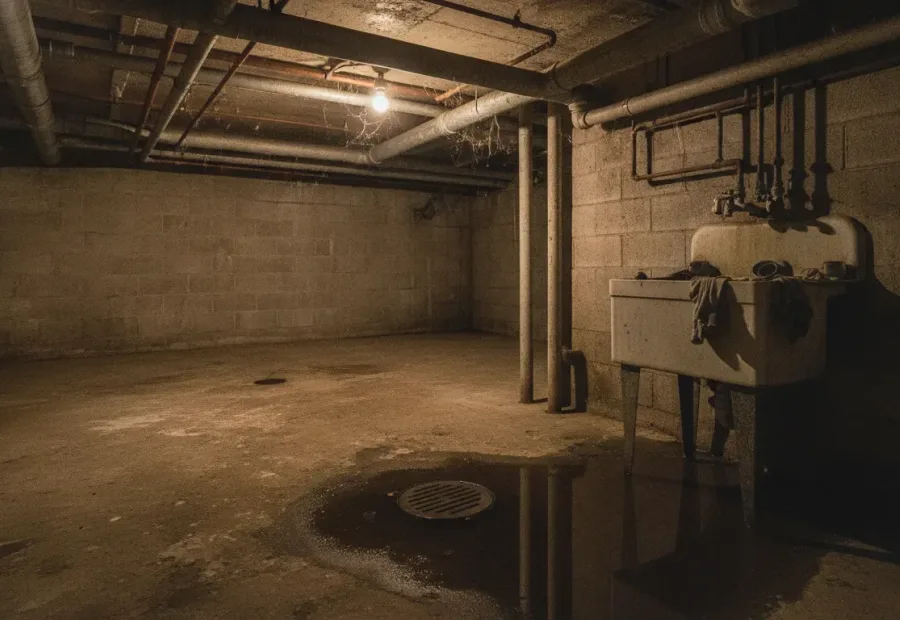
A single slow sink is often limited to that fixture or branch. A pattern across multiple drains can suggest a shared drain or sewer line issue, especially when toilets, tubs, or lower-level fixtures are affected around the same time. Keep track of the locations rather than assuming the main sewer is involved.
- Repeated backups: A drain clears, then backs up again after a short period or after ordinary household use.
- Several fixtures slow down together: The pattern may point beyond one fixture, though it does not identify the obstruction.
- Gurgling or unusual drain sounds: These can accompany a drainage problem, but are not specific to root intrusion.
- Wastewater appearing at a low fixture: Treat this as a prompt for timely plumbing assessment and avoid using affected fixtures until you receive guidance.
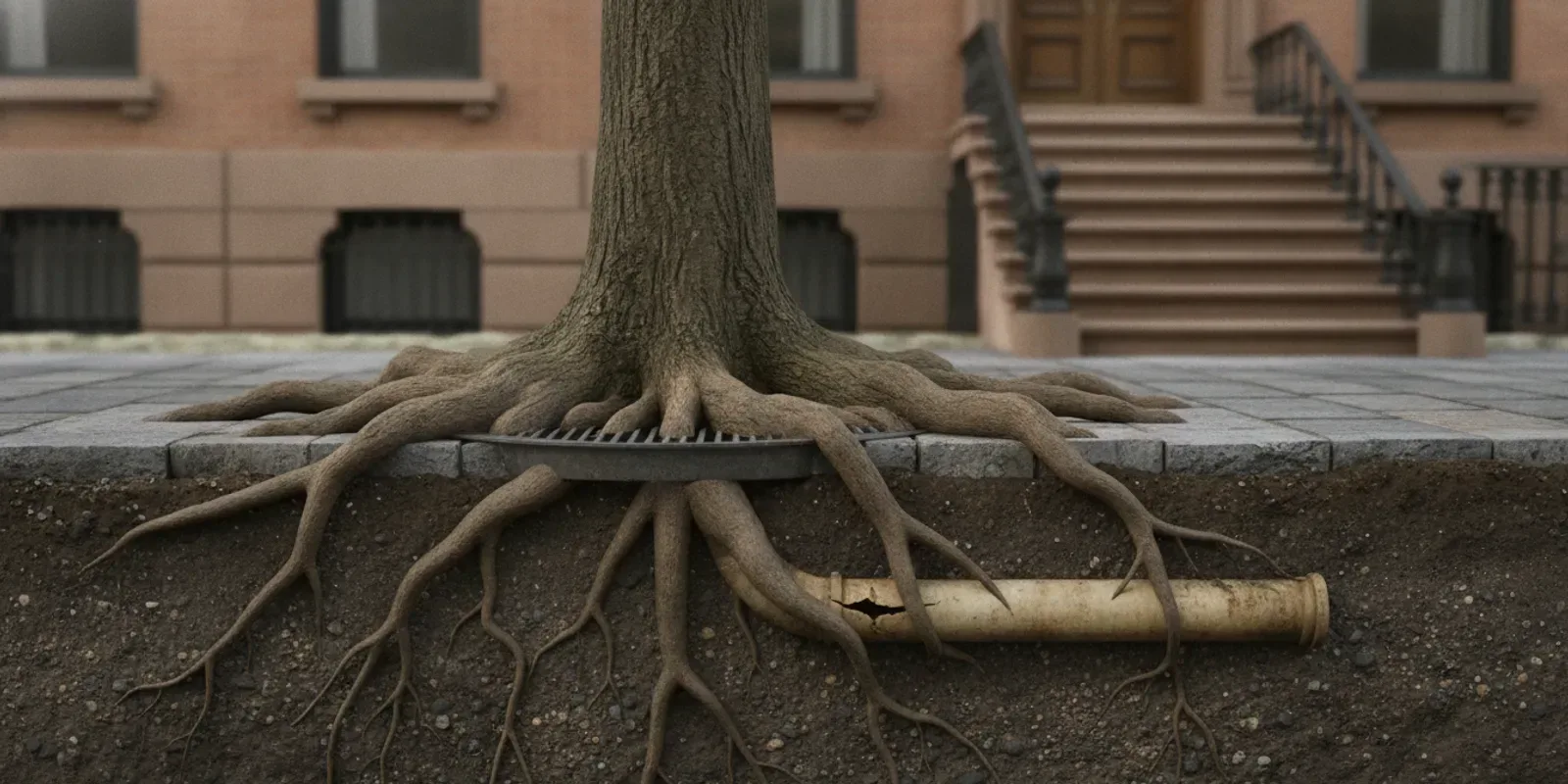
Roots may enter an existing opening or joint in a sewer pipe and grow within the line. That possibility is more relevant where trees and buried pipes are near each other, but proximity alone is not a diagnosis. Root presence and the pipe's condition need to be assessed directly.
Can the time of year provide a clue?
Seasonal recurrence can be useful context, not proof. A problem that becomes noticeable during a particular period may reflect changing water use, rainfall, soil moisture, or the development of an existing obstruction. Keep a simple log with dates, affected fixtures, weather if relevant, and what was happening in the building before the symptom appeared.
For NYC property owners and managers, record whether the issue affects one apartment, a vertical stack, or multiple parts of the property. In a shared building, tell residents not to flush or run water into affected fixtures if wastewater is backing up, and notify the building's responsible contact. Do not dig near a public sidewalk or attempt to cut roots or expose a buried line yourself.
How can an inspection confirm what is happening?
A sewer camera inspection can help a plumbing professional view the inside of an accessible pipe and look for roots, breaks, displaced joints, standing water, or other obstructions. The findings depend on access and the condition of the line; a camera view is a diagnostic aid, not a guarantee that every section or cause has been identified.
Before scheduling, share the symptom log and explain whether the problem is recurring, which fixtures are involved, and whether prior clearing has helped. Ask what portion of the line can be inspected, what the camera can and cannot show, and whether the findings will be documented. If roots are observed, ask where they appear and whether the pipe also shows damage. Root removal alone may not address an opening or structural defect that allowed entry.
Tree root problems can also affect tree health, and extension guidance notes that root injury may show up as canopy decline or branch dieback. Those above-ground signs are not a substitute for inspecting a sewer line; they simply reinforce that roots and surrounding infrastructure should be assessed carefully. Read the University of Maryland Extension guidance on damaged tree roots.
What should you include in repair planning?
Once the line is assessed, request a clear explanation of the condition and the proposed scope. Depending on what is found, the next step may involve clearing an obstruction, additional evaluation, or repair planning. The right approach depends on the location and extent of the issue, pipe access, property conditions, and any necessary coordination. Do not assume that every root finding requires the same repair.
For a multifamily property, coordinate access and communication with the building contact. Ask which units or common areas may be affected, whether any water-use restrictions are needed, and how the work area will be accessed. If roots or excavation are near a sidewalk, street, or neighboring property, clarify who is responsible for determining permissions and coordinating any required work before excavation begins.
Keep inspection findings and repair records with the property's maintenance documentation. A record of dates, symptoms, prior clearing, and observed pipe conditions can help the next professional distinguish a recurring issue from a new one. Nonstop Plumbers describes service for plumbing and sewer concerns; confirm the specific scope and access needs for your property when contacting the company.
What is the practical next step?
If drains repeatedly slow or back up, note the pattern and arrange an appropriate plumbing assessment rather than treating symptoms as proof of tree root intrusion. A documented inspection can help clarify whether roots are present and what repair planning may be appropriate for the line.